Few topics in audio start arguments faster than analog versus digital. One side says tape and consoles have a depth that software cannot copy. The other says modern converters and plug-ins are transparent, precise and cheaper, so the debate is over.
Both claims contain some truth, and neither answers the question an artist actually has: what will make my record sound better? This article separates what analog and digital tools really do, where they differ, where the difference is smaller than people claim, and why the engineer's decisions matter more than the label on the gear.
What the terms really mean
In a mixing context, "analog" means the audio travels as a continuously varying electrical signal through circuits: preamps, equalizers, compressors, mixing consoles, tape machines. "Digital" means the signal is converted to numbers, processed by software and converted back to sound.
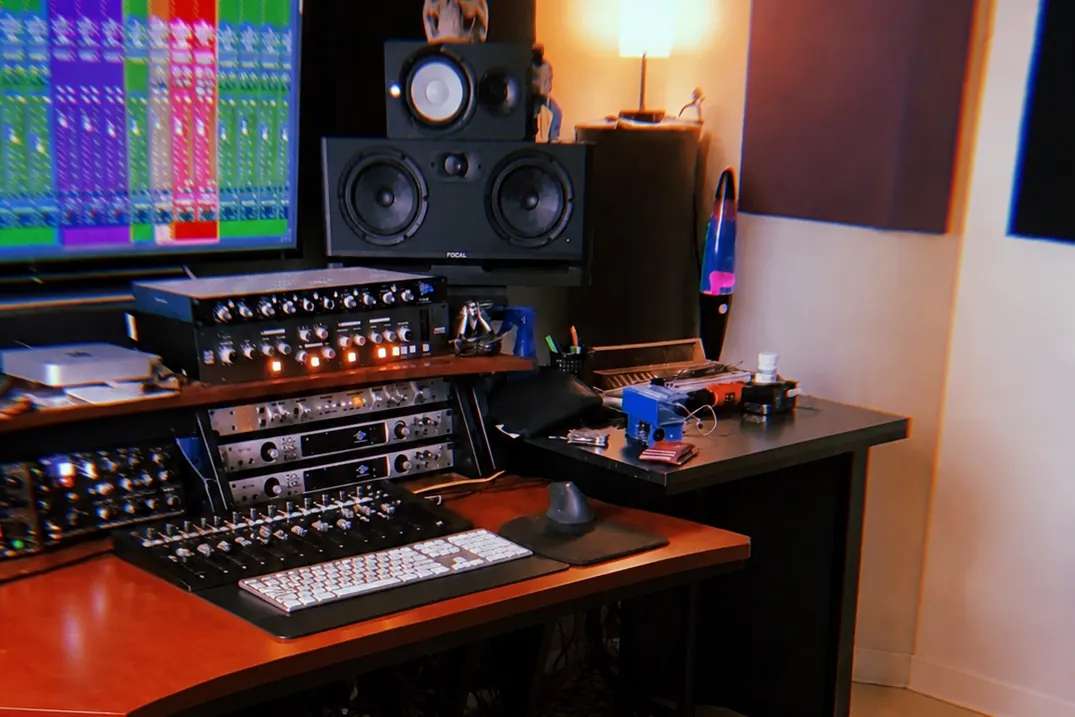
Almost every modern record uses both. Microphones are analog. Loudspeakers are analog. Between them, the signal passes through converters and, depending on the studio, through digital or analog processing. The practical question is where the work happens: inside the computer ("in the box"), outside it on hardware, or split between the two in a hybrid setup.
What analog hardware contributes
Character from circuits
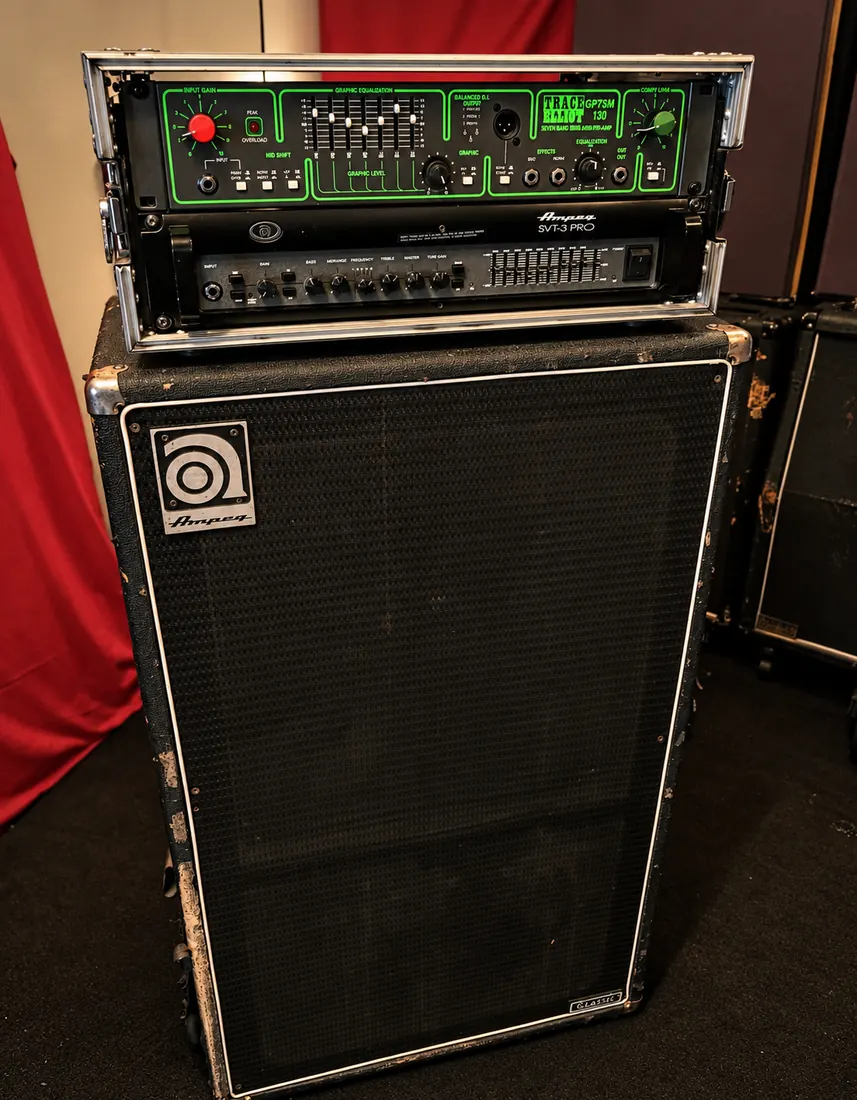
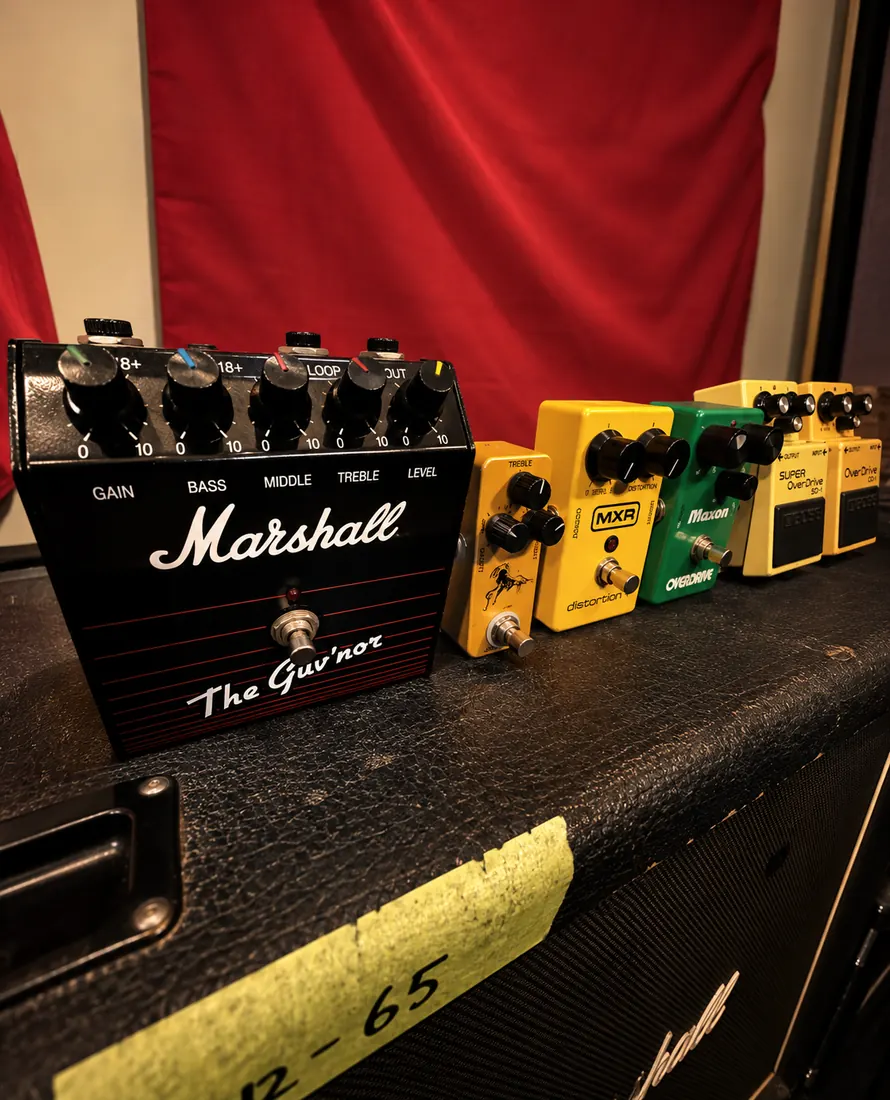
Analog circuits do not behave perfectly. Transformers, tubes and transistors add small amounts of harmonic distortion and shape how peaks are handled when the level rises. Engineers call this saturation or color. Used lightly, it can add density to a bass guitar or smooth the top end of a vocal. Used heavily, it becomes an effect.
Rupert Neve Designs, for example, makes the 542, a 500 Series module that emulates analog tape. It contains no actual tape: its circuit mimics tape's behavior with a custom transformer, a saturation control, a blend control that mixes the processed and clean signal, and a switch between 15 and 30 IPS tape-speed responses. A product like this exists because some engineers want that behavior as a tool while tracking or mixing, not because it makes every source better.
Interaction and workflow
Hardware also changes how an engineer works. Turning a knob with a hand and listening in real time encourages quick decisions. Hardware compressors have fixed, musical response curves that many engineers know by ear. Some people mix faster this way.
Costs and limits
Analog mixing has real constraints. Hardware occupies space, needs maintenance and calibration, and has a limited number of channels. Settings must be written down or photographed to recall a mix later. Making a small revision weeks after delivery can take hours if the session needs to be rebuilt on the console.
What digital tools contribute
Precision and recall
Digital workstations store every setting. Open a session a year later, and the mix returns exactly as you left it. Revisions are quick, which matters when an artist wants the vocal up one decibel on Monday and the snare tighter on Tuesday. Automation is precise and can be edited at the level of single words or drum hits.
Modern conversion is very good
Modern audio converters are accurate across the audible range. Within a controlled test, differences between decent professional converters are small compared with differences between rooms, speakers and performances. This is one reason the old argument that digital "sounds cold" has lost force: much of what people called coldness came from older converters, clipping, poor gain staging or heavy limiting.
Plug-in emulations
Software developers model classic hardware. Universal Audio, for instance, describes its 1176 plug-in as component-level modeling that reaches down to the transformers and FET amplifiers of the original. The results can be very close, and for many mixes a well-chosen plug-in does the job. Differences show up mainly under extreme settings, where real components behave in complex ways, but whether a listener hears or cares about them in a finished song is another matter.
What the research and the engineers say
Sound On Sound's "Hardware v ITB" (June 2024) is a useful example. Engineer Pontus Hagberg recreated a 48-channel analog mix using only software, matching EQ curves, compressor behavior and reverbs. To his ears the two versions ended up very close, though he stressed that it took time to learn the plug-ins. He also said working in the box felt different, and he still values his hardware for its wider sweet spot. In other words, the tools can get close, and the working experience differs. Beyond that, the deciding factors are the quality of the recordings, the skill of the person mixing and the monitoring environment.
That fits what happens in practice. A poorly tuned drum kit, a muddy arrangement or an untreated control room limits a mix far more than the choice between an analog summing mixer and software summing. Two engineers given the same stems often produce quite different results because of balance, EQ and dynamics decisions, not because one used hardware.
Summing: does an analog mixer change the sound?
Summing is the process of combining many tracks into a stereo mix. In software, the summing happens as mathematics inside the workstation. In an analog setup, tracks are sent out through converters to a console or summing mixer, which combines them electrically and sends the stereo signal back in.
Some engineers prefer the sound of analog summing and report subtle changes in depth and width. The effect is typically small and depends on the equipment, the gain structure and the material. It also comes with trade-offs: more conversion stages, more cost and a harder recall. Anyone who claims analog summing always improves a mix is overselling. Anyone who claims it never matters is also overselling.
Gain staging matters in both worlds
Whatever the format, levels have to be set carefully. In analog gear, running a signal too hot adds distortion that may or may not be pleasant. In digital systems, levels that reach the maximum lead to hard clipping, which is almost always unpleasant. Modern 32-bit floating-point workstations have plenty of internal headroom, but the converters and any plug-ins that model hardware still respond to input level. Good gain staging is a basic skill that improves a mix in either format.
The case for hybrid
Most professional workflows today combine both. A typical hybrid session might look like this:
- Record through hardware preamps or compressors where the character suits the source.
- Edit and arrange in the workstation.
- Mix mostly in the workstation, using hardware inserts on key elements such as vocals, drums or the stereo bus.
- Recall the session with notes for hardware settings, or print hardware passes to audio.
This setup keeps the speed and recall of digital with selective use of analog color where it helps. The workflow has one cost: an engineer needs to document hardware settings carefully so that revisions are possible.
Comparing the two
| Factor | Analog hardware | Digital tools |
|---|---|---|
| Tone | Adds harmonic character and compression behavior from real circuits | Can be transparent or can model analog behavior |
| Recall | Needs notes, photos or printing audio | Instant and exact |
| Speed of revisions | Slower once the console is cleared | Fast |
| Channel count | Limited by physical gear | Limited by computer power |
| Cost to expand | Physical equipment, space and maintenance | Software licenses and processing |
| Learning curve | Depends on knowing the gear | Depends on knowing the software |
| Best for | Adding color or feel on key elements | Precision editing, automation, large sessions |
So which makes a record sound better?
Neither one, by itself. A record sounds better when the song is strong, the performance is good, the recording captures the source well and the mix serves the arrangement. After those, analog and digital become tools with different strengths.
If you like the sound of a record, ask what the engineer did, not just what they used. Where did they place the vocal? How did they handle the low end? How much dynamic range did they leave? Those choices are audible across every format.
For artists, the useful questions are practical:
- Will the project need frequent revisions? Favor workflows with easy recall.
- Is there a sound you want from a specific kind of equipment? Mention it early.
- Are you on a tight schedule? In-the-box mixing is usually faster to iterate.
- Do you want a particular texture, such as tape-like saturation on drums? A hybrid or hardware pass can help.
How Yave Rust works
Yave Rust Recordings, based in Richmond, Virginia, uses a hybrid approach. The website lists analog hardware, including API, SSL and Trident processors and Rupert Neve Designs 542 tape emulation modules, alongside Pro Tools and a Universal Audio Apollo x6 interface. The full inventory is on the studio gear section. Which tools are used on a specific project depends on the music, the stage of the production and the revision plan. Hardware is not promised for every project.
Mastering for released projects has included collaborations with Jack Control and Maor Applebaum at Enormous Door Mastering, with roles varying by release, as noted on the site. If you want to know how finished mixes are prepared for streaming, see our guide to mixing and mastering for Spotify and Apple Music. If you are working from another country, the online mixing and mastering article explains how the remote process runs.
Frequently asked questions
Is analog mixing better than digital mixing?
Not as a rule. Analog equipment adds a specific kind of character and a hands-on workflow. Digital tools offer precision, recall and flexibility. The quality of the recording and the decisions of the engineer matter more than the format.
Can plug-ins really replace hardware?
For many purposes, yes. Good plug-in models handle most tasks well. Hardware still has advantages for some engineers in workflow and in the way it behaves at the extremes, but the gap in a finished mix is often small.
What does a hybrid mix cost compared with an in-the-box mix?
Hybrid mixes usually take more time because of hardware setup and recall notes, which can affect the quote. Ask the studio how it handles this, and whether hardware is included in the base scope.
Should I record to tape?
Tape recording adds cost, time and editing limits. Some bands want the sound and the process. If you are not sure, a tape emulation device or plug-in can provide some of the saturation without the workflow constraints.
References
- 542 Tape Emulator — Rupert Neve Designs
- Hardware v ITB: Matching An Outboard Mix Using Only Software — Pontus Hagberg, Sound On Sound
- UA 1176 Classic FET Compressor — Universal Audio