"How much does it cost to record a song?" is the most common question artists ask a studio, and the honest answer starts with "it depends." That can sound like an evasion. It is not. Two songs with the same title length can differ widely in work: a solo acoustic vocal and guitar track compared with a full band with live drums, doubled guitars and layered vocals.
This article does not quote prices. Rates in Richmond and everywhere else change, differ between studios and depend on the scope of each project, so any number printed here would age quickly or mislead you. Instead, it shows what goes into a quote and how to estimate your own budget, so you can compare studios fairly.
How studios usually price
Studios commonly use one or more of these structures:
- Hourly rate. You pay for time in the studio. This is flexible but harder to predict if the session runs long.
- Day rate. A fixed price for a block of hours, often useful for tracking a band.
- Per-song or per-project rate. A fixed price for a defined scope, such as tracking, editing and mixing one song.
- Separate stage pricing. Tracking, editing, mixing and mastering are quoted individually.
Yave Rust does not publish a rate card on its website. Quotes are provided after a conversation about the project, because the scope is what sets the price. Other studios may publish rates; if they do, check exactly what is included.
The main cost drivers
Number of musicians and instruments
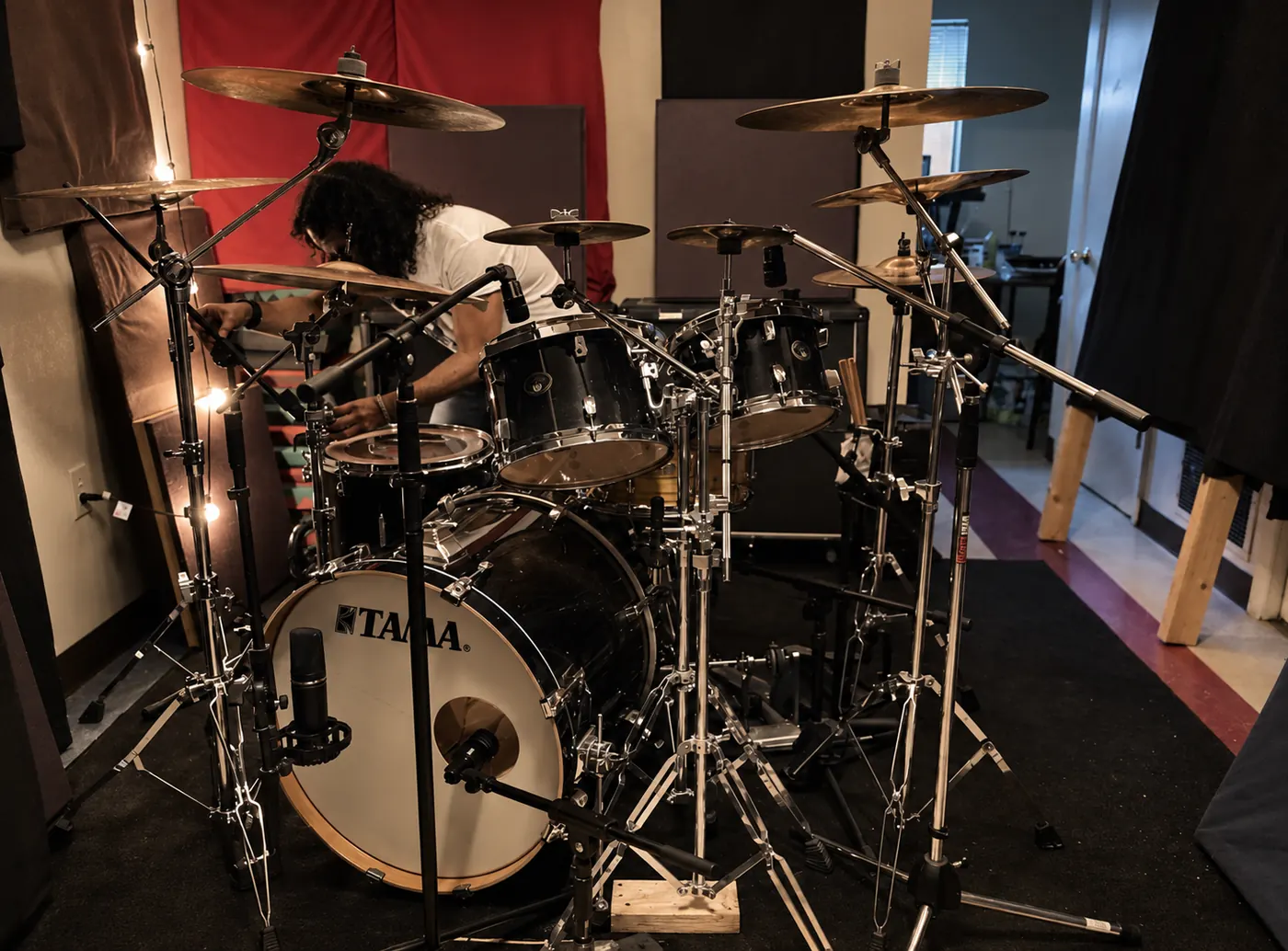
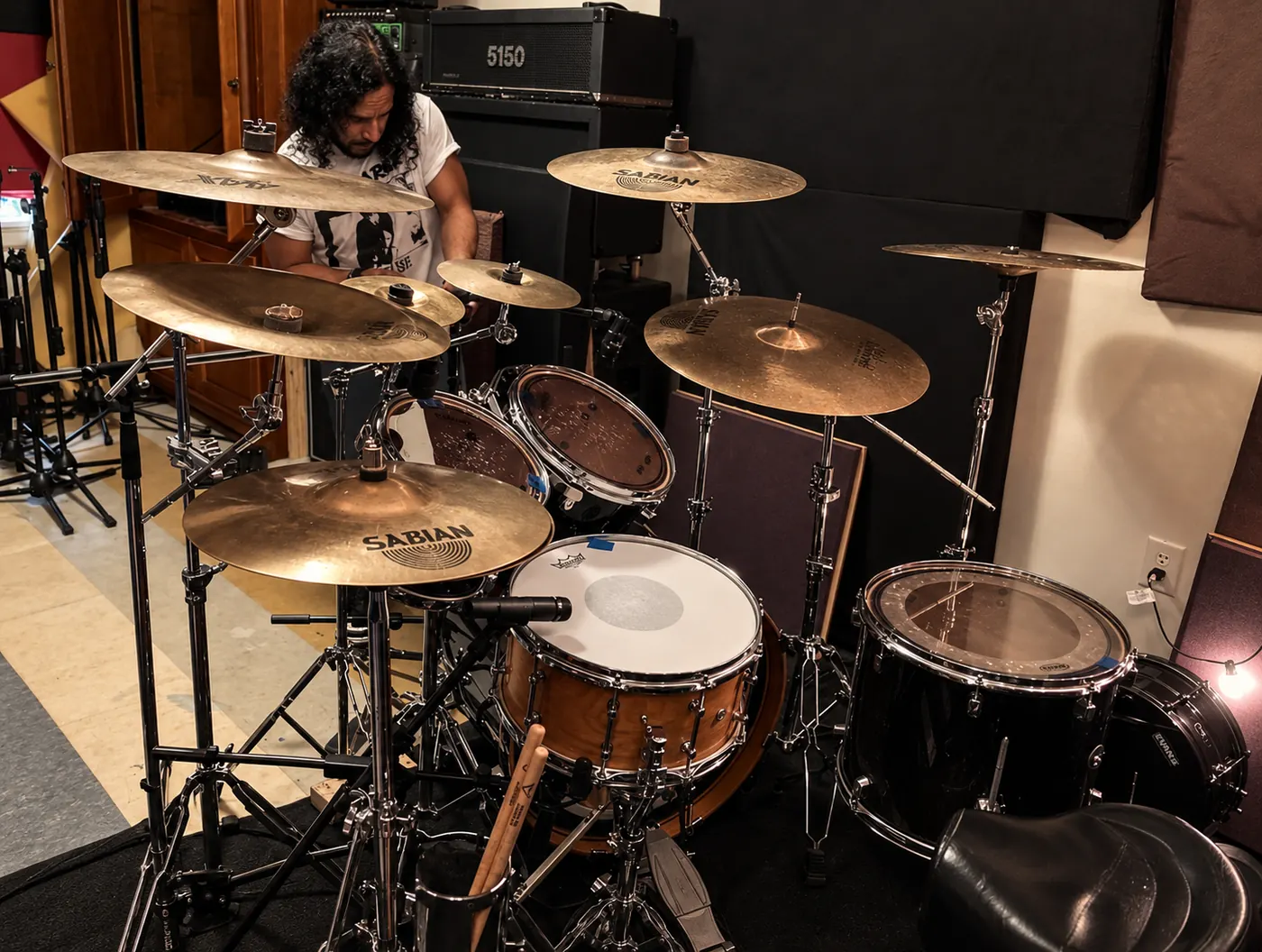
A singer with a guitar needs less setup than a five-piece band. Drum recording is usually the most time-intensive part: tuning, microphone setup, phase checks and sound tweaks all happen before the first usable take. Plan for it.
Preparation level
A band that arrives rehearsed, plays to a click and brings fresh strings and drum heads will finish sooner than one that is still arranging songs in the studio. Studio hours spent on preparation cost the same as hours spent on recording.
Number of takes and the amount of editing
Every extra take costs time. Editing, which includes comping the best parts of several takes, tightening timing and cleaning noises, can also be significant on dense or fast music. Ask whether editing is included or billed separately.
Mixing scope
Mixing is its own stage. A mix with 20 tracks takes less time than one with 80. Revisions add time. The quote should state how many revision rounds are included and what happens if you need more.
Mastering
Mastering is the final preparation of the finished mix for distribution. If you have an album, the work includes sequencing and balancing songs against each other. Mastering is usually priced separately from mixing, and sometimes by a different engineer. Ask who is responsible and what you receive.
Extra services
Sample replacement, vocal tuning, additional production, instrument rental and file preparation for streaming platforms may be outside the base scope. Ask for a list of what is included.
A simple way to build your own estimate
Instead of looking for a "price per song," build a short budget in four lines. Use the numbers from the studios you are comparing.
- Tracking: the number of studio hours you will need, multiplied by the hourly rate, or the day rate multiplied by the number of days.
- Editing: the estimated editing time, billed hourly or included.
- Mixing: the per-song mix price multiplied by the number of songs, plus any revision charges.
- Mastering: the per-song or per-project price.
Add them up, then add a margin of 10 to 20 percent for the unexpected, such as an extra hour of tracking, a re-record or a second revision round. That margin is a planning habit, not a studio rule.
If you are only mixing, skip steps one and two. If you are recording and sending files elsewhere for mixing, the quote may be just the tracking stage.
Questions that make quotes comparable
Ask each studio the same things. This table shows what to compare.
| Question | Why it matters |
|---|---|
| What is the rate unit: hour, day or project? | Different units are not directly comparable |
| What is included in the base price? | Setup time, editing and file delivery can be extra |
| Who will engineer my sessions? | Experience and style affect results |
| How many mix revisions are included? | Revisions are common and take time |
| Is mastering included? | Many quotes stop at mixing |
| What files will I receive? | Final masters, stems, instrumentals and session files may be separate |
| What are the deposit and cancellation terms? | Protects both sides |
| What happens if the session runs over? | Overage should be agreed in advance |
Ways to control the budget without hurting the record
You do not need to spend more to get a better result, but you do need to spend time on the right things.
Prepare thoroughly. Rehearse with a click. Fix instruments. Bring a demo. Prepared bands waste fewer hours.
Focus on fewer songs. Finishing four songs well is more valuable than starting eight. A short release can be stronger than a long unfinished one.
Choose what to spend on. Great drums and a strong vocal usually matter more than a long list of gear. If the budget is limited, spend where the listener's attention goes.
Plan the stages. You can track now and mix later, but keep your session files organized and backed up. Our article on choosing a recording studio in Richmond includes a preparation checklist.
Think about distribution early. If the music is going to streaming services, ask how the mix and master will be prepared. The guide to mixing and mastering for Spotify and Apple Music explains what platforms require and what they do not.
What to ask for in a written quote
Before paying a deposit, ask for a written scope that lists:
- the stages included (tracking, editing, mixing, mastering);
- the number of songs and the maximum track count if limited;
- the number of revision rounds;
- the deliverables and file formats, including whether stems or session files are provided;
- the timeline;
- payment terms.
A clear scope protects you from misunderstandings and the studio from endless changes.
Three example projects, described by scope
These examples show how scope changes the work. They deliberately leave out prices, because rates differ by studio.
A single, with a singer and guitar. One or two tracking sessions, light editing, one mix and mastering. The main variables are how many vocal takes are needed and how much tuning or comping the performance requires.
A four-song EP by a full band. Drum tracking takes the largest share of studio time, followed by guitars, bass and vocals. Editing is significant on fast or dense music. Four mixes with revision rounds and a mastering pass complete the project. Here, preparation changes the outcome the most. A band that rehearses to a click can often track in fewer sessions.
A mix-only project from recordings made elsewhere. No tracking charges, but the mixing time depends on track count, how clean the recordings are and how many revisions you expect. Files that are noisy, clipped or unlabeled take more time to prepare.
When you request quotes, describe your project in these terms: the number of songs, instruments, tracks, stages and revisions. The more specific you are, the more accurate the response will be, and the easier it is to compare studios side by side.
Remote work and cost
If you record elsewhere and send the files for mixing, you avoid studio tracking costs but you still need clean recordings. File preparation, such as exporting tracks that start at the same point and keeping consistent levels, saves time on the mixing side. Sound On Sound's guidance on exporting tracks for mixing recommends starting every exported file at bar one, beat one so the engineer can line them up easily. The online mixing and mastering article explains this workflow in detail, and our comparison of remote and in-studio production helps you decide which stages are worth doing in a studio room.
Contacting Yave Rust
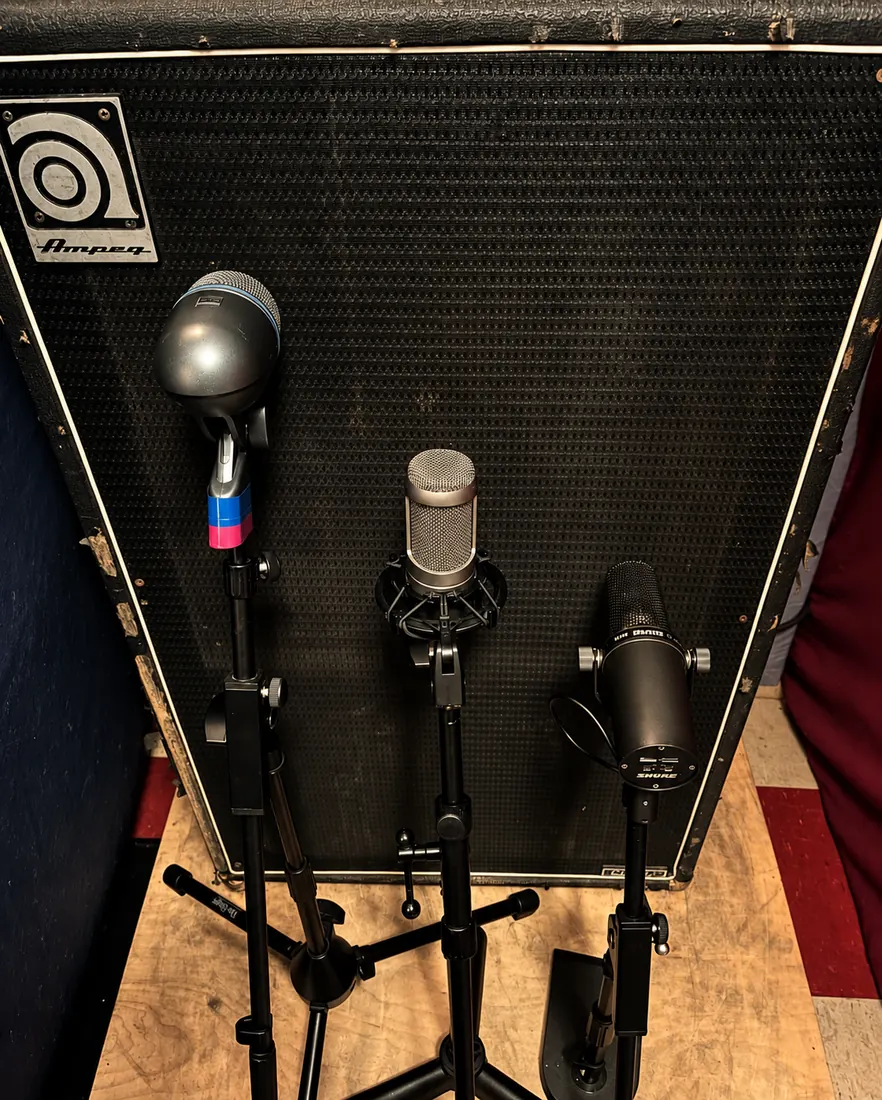
Yave Rust Recordings is based in Richmond, Virginia. Because pricing depends on the project, the quickest way to get a quote is to describe your song count, lineup, genre and the stages you need. The inquiry form on the website collects that information and the team replies by email. The site lists the studio's equipment in the gear section if you want to see what is available. Equipment use varies by project and is not guaranteed on every production.
Frequently asked questions
Is it cheaper to record one song at a time?
It can be, if you only need a single track finished. For several songs, a block of studio time or a project quote is often more efficient than booking each song separately. Compare both options.
Does a higher price mean a better record?
Not necessarily. Price reflects time, equipment, experience and demand. The best choice is the studio and engineer who fit your music and your preparation level.
Should I pay by the hour or by the project?
Project pricing gives predictability if the scope is clear. Hourly pricing suits experimental work, but needs a limit so costs do not drift.
What if I can only afford mixing?
If you already have recordings, mixing alone is a valid option. Make sure the tracks are clean, labeled and exported correctly, and ask for a mix-only quote.
References
- Q. How should I approach exporting tracks for mixing? — Matt Houghton, Sound On Sound (June 2026)
- Studio SOS Guide To Monitoring & Acoustic Treatment — Paul White, Sound On Sound
- Spotify for Artists: Loudness normalization — Spotify Support