Where an album is recorded and where it is mixed no longer need to be the same place. Artists track in bedrooms, rehearsal spaces and local studios, then send the files to an engineer elsewhere. Others travel for the sessions that need a professional room and handle the rest remotely.
Both approaches are legitimate, and neither is better in every case. This article compares remote music production with in-studio sessions at Yave Rust Recordings in Richmond, Virginia, and helps you decide which fits your music.
What "remote" means in practice
Remote production covers several scenarios:
- You record your parts yourself and send them for mixing and mastering.
- You record in a local studio near you and send the files to another studio for the final stages.
- You exchange files and notes with a producer or engineer as the song develops.
Remote does not mean the studio is absent from the creative process. It means the work happens through files, messages and calls rather than in a shared room.
The two options
Option 1: Record where you are, mix with the studio
You handle recording at your location. After you finish, the tracks are sent for mixing, followed by mastering. This option keeps costs and logistics simple and lets you record at your own pace. The quality of the result depends on your recordings, so spend your effort on performance, instrument setup and room.
Home recording does not need to be elaborate. The Studio SOS guide to monitoring and acoustic treatment explains that placing speakers correctly and treating first reflection points and corners improves what you hear. Better monitoring helps you make better decisions while tracking.
Option 2: Record in Richmond
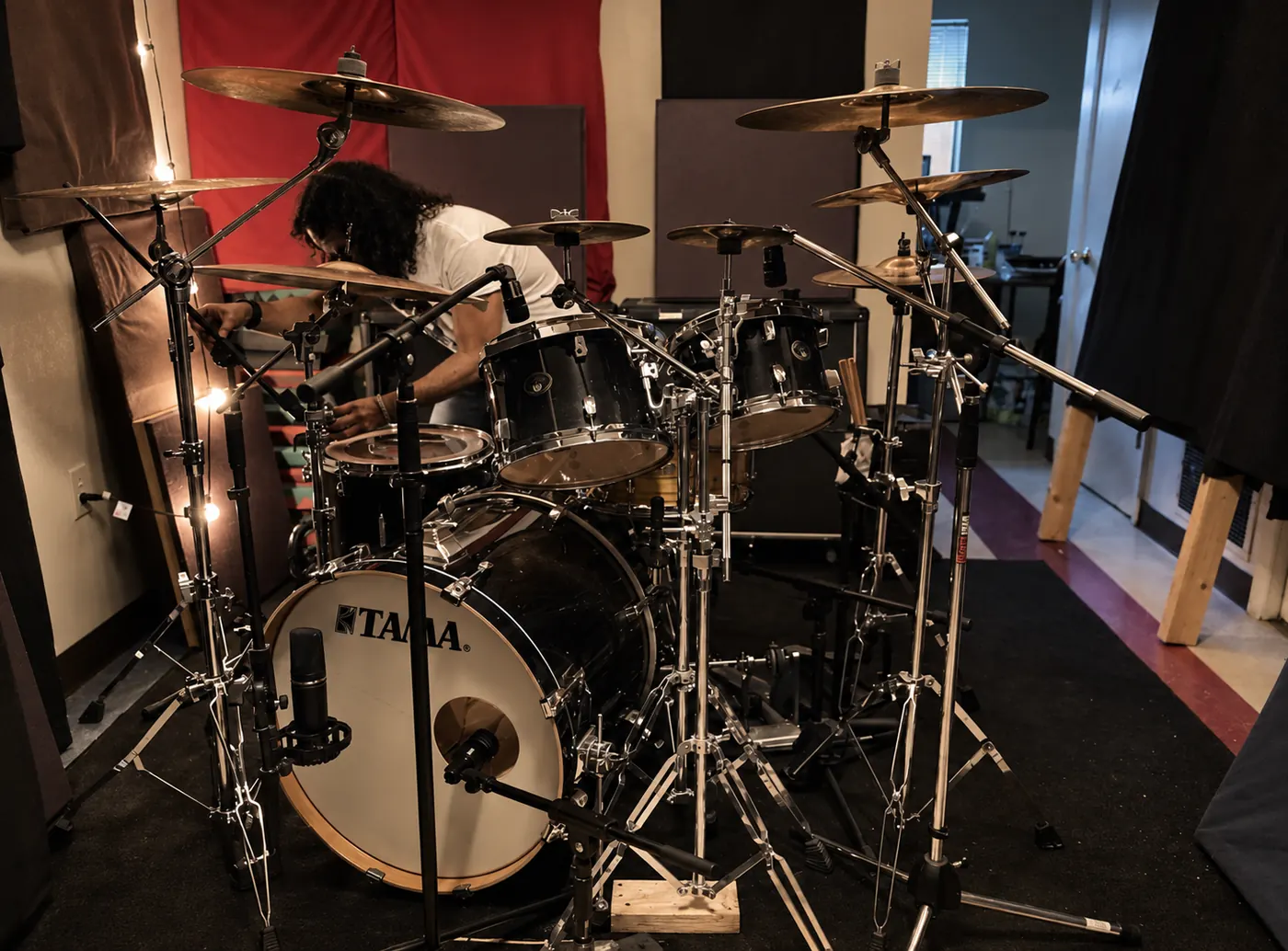
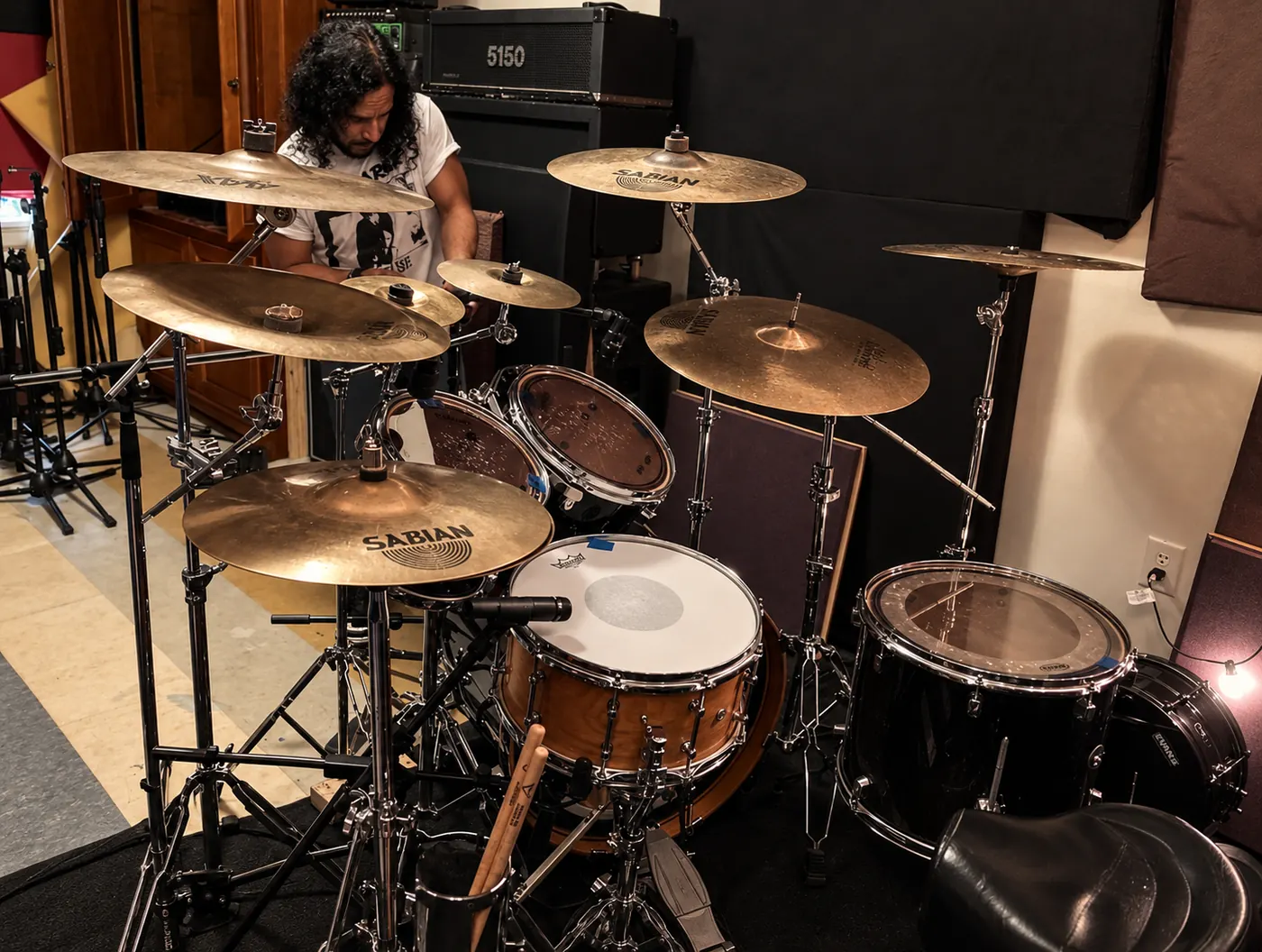
Some projects benefit from the room, the equipment and an engineer present during tracking. Drums are the most common example, because they are demanding to record well. In-studio sessions let the engineer guide microphone placement, tuning and performance in real time, and the whole band can play together.
The website describes Yave Rust Recordings as based in Richmond, Virginia. If you are considering a session, contact the studio to discuss what the project needs, the dates and the scope. Details such as scheduling and arrangements are agreed individually; none are fixed on the website.
Option 3: A combination
A hybrid plan is common. For example, a band tracks drums and bass in a professional room, records guitars and vocals at home, and sends everything to be mixed. This approach spends studio time where it makes the biggest difference.
Comparing the options
| Factor | Remote (record elsewhere) | In-studio in Richmond |
|---|---|---|
| Where tracking happens | Your location | The studio |
| Engineer present during tracking | No | Yes |
| Best for | Vocals, guitars, bass, synths, programmed parts, projects with a prepared home setup | Drums, full-band live tracking, projects needing room and equipment |
| Control over the room | Depends on your space | Studio environment |
| Scheduling | Flexible on your side | Needs dates agreed with the studio |
| Revisions | By email and files | By email, plus in-person feedback during sessions |
| Responsibility for recording quality | Mostly yours | Shared with the engineer |
| Typical risk | Weak recordings limiting the mix | Under-preparation wasting studio time |
How to decide
Ask these questions about your project:
- What is the hardest part to record well? If it is drums or a live band, consider a professional room for that stage.
- Do you have a decent place to record the rest? Quiet space, good monitoring and basic microphones can be enough for many parts.
- Is the performance the priority, or the sound? For some music, the feel of the band playing together matters most.
- How much preparation time do you have? Prepared projects make better use of any studio hours.
- Who will give feedback? Clear communication is critical in remote work. Decide who speaks for the band.
Making remote tracking work
Even a modest setup can produce a good result with attention to detail.
Choose the quietest room and position yourself carefully. Avoid recording near windows, computers or appliances that add noise.
Record at healthy levels. Aim for strong signals that do not clip. You do not need to push levels to the maximum.
Take notes. Record the tempo, key and any special settings.
Capture options. For guitars and bass, record a DI signal along with the amplified sound when possible. It gives the engineer flexibility later. The guide on recording heavy music covers this and other techniques.
Export carefully. Sound On Sound's advice on exporting tracks is to start every file at bar one, beat one so they line up easily. The full steps are in the online mixing and mastering article.
Keeping creative direction clear at a distance
In a shared room, a producer can react to a performance instantly. Remotely, direction has to be written down or described in a call. A few habits make that easier.
Write a one-page brief for each song. Include the tempo, the feel you want, two reference tracks and the three things that matter most. For example: the vocal must stay intimate, the chorus should open up, the low end must stay tight.
Decide who has the final say. In a band, opinions multiply quickly. Choose one person to collect notes and send one message per round.
Describe problems by time and instrument. "At 1:42 the second guitar feels late" is more useful than "the guitars feel off".
Compare at matched volume. A louder version often sounds better at first. Level-match when you compare mixes or references so you judge tone and balance.
Common mistakes when going remote
Most remote projects that run into trouble fail for ordinary reasons, and almost all of them can be avoided.
- Starting without a scope. Agree on the stages, the number of songs and the revision rounds before files change hands.
- Sending unfinished tracks. Mixing is not the time to decide on a final arrangement. Lock the parts first.
- Ignoring the rough mix. If you have a rough mix you like, send it. It shows the engineer your intention.
- Over-processing before sending. Heavy compression or limiting on the master bus limits what can be done. Send clean tracks.
- Forgetting backups. Keep a copy of the session and all exported files until the project is closed.
- Treating remote as second best. Remote work is a different workflow, and with preparation it can be as effective as a session in the room for the stages that suit it.
When in-studio time is worth planning for
Even when most of a record is made remotely, some stages benefit from being together in a room. Pre-production conversations about arrangement, a drum session or a vocal day can shape the rest of the project. If you are planning one trip, use it for the part where an engineer in the room changes the outcome most, and prepare thoroughly so that every hour counts. You can handle editing, mixing and revisions remotely afterward.
Working with Richmond
Richmond has an active live music scene, according to Visit Richmond, which lists venues and festivals across the city. For an artist who travels to record, the city is a place with real musical activity, not only a studio address. Arrangements for travel, lodging and any other logistics are the artist's to plan, and the studio does not provide or arrange them through this website.
If you plan to visit, our guide to choosing a recording studio in Richmond explains what to prepare, and the article on recording studio costs shows how to build a budget.
What the studio offers
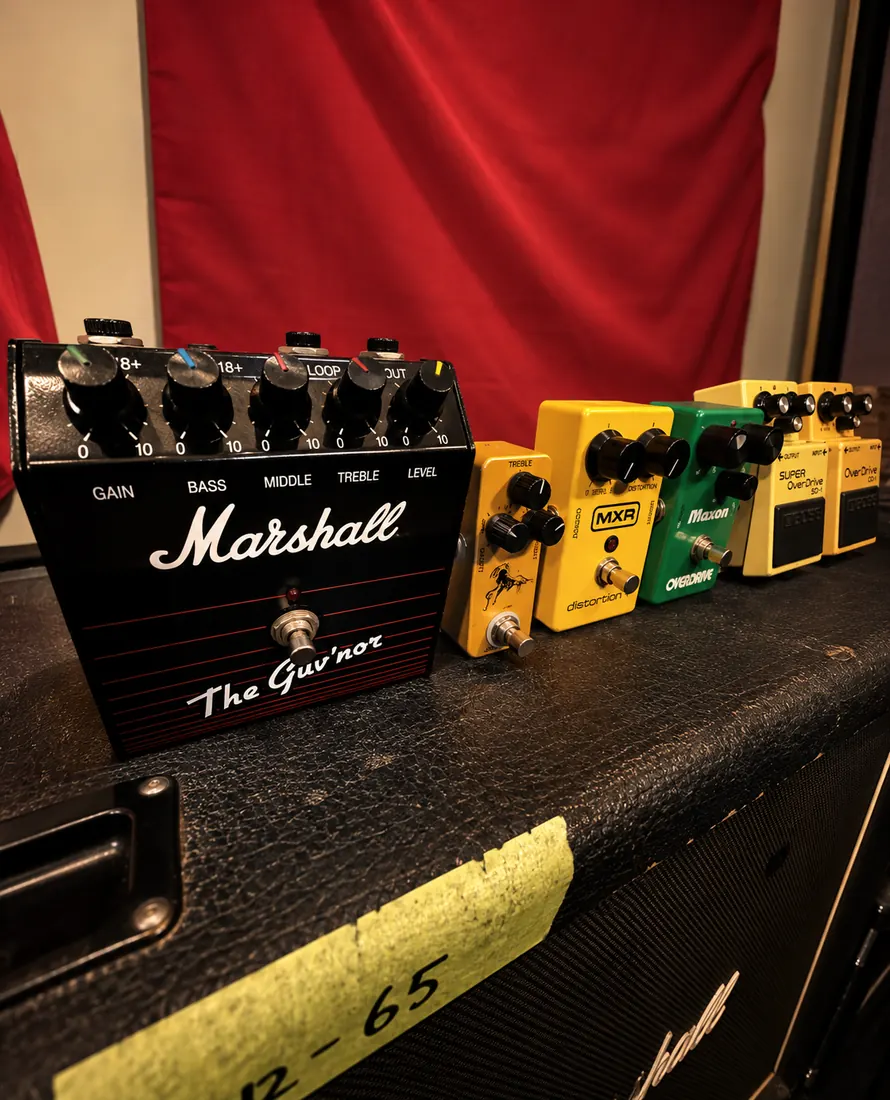
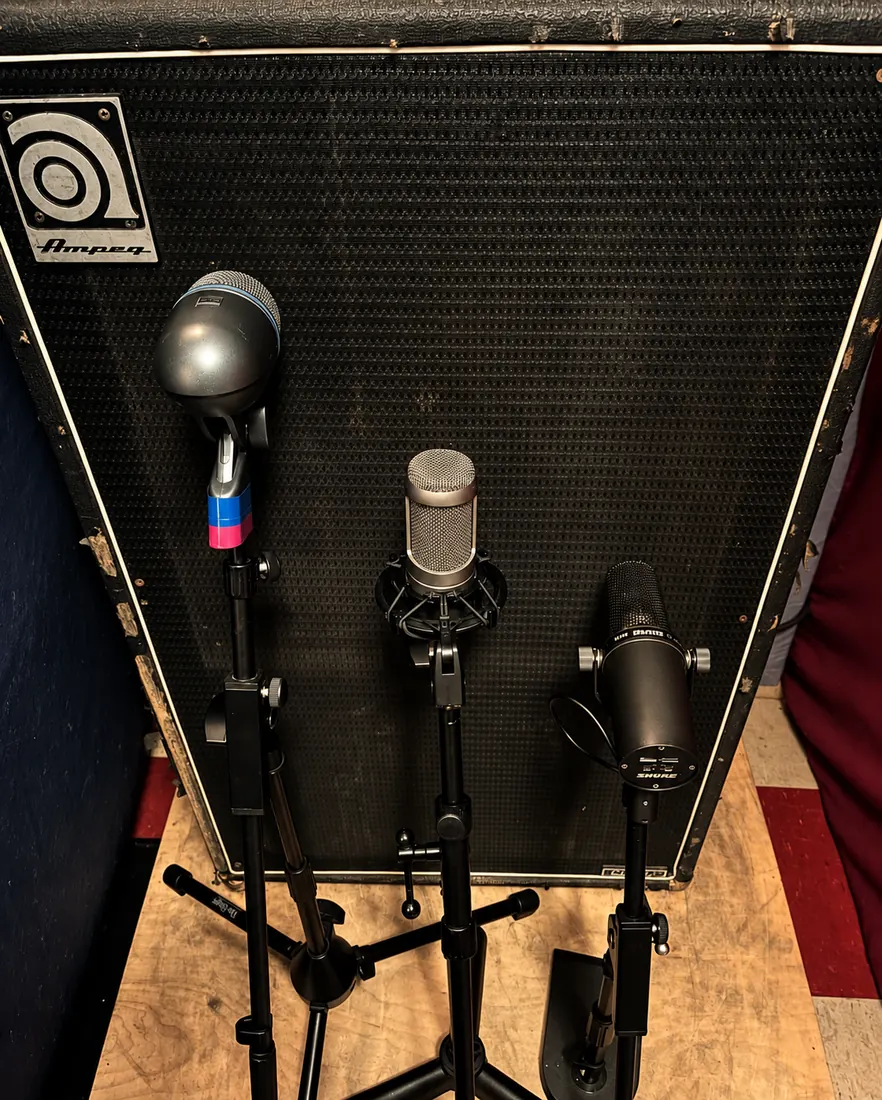
The website lists the studio's equipment: analog processors from API, SSL and Trident; Rupert Neve Designs 542 tape emulation modules; microphones from Shure, Audix, Sennheiser, AKG and others; Focal Alpha Twin Evo and Yamaha HS5 monitors; a Universal Audio Apollo x6; and Pro Tools. You can browse the full list in the gear section. Equipment use depends on the project and is not guaranteed on every production.
Releases listed in the works section show the role on each project, so you can hear what recording, mixing or mastering involvement sounds like before you reach out.
A brief note on language and time zones
The website is available in English and Spanish, and inquiries are accepted in both languages. For remote projects, agree on a communication rhythm that works across time zones, such as one consolidated feedback message per revision round.
Frequently asked questions
Can I work with Yave Rust if I live outside the United States?
Yes. Mixing and mastering can be done remotely from files you send. Contact the studio with details of your project, and the next steps will be explained by email.
Do I need to travel to Richmond to get a good result?
No. Many projects are mixed and mastered entirely from files. Travel makes sense mainly when tracking benefits from a professional room and an engineer present.
Can I record in two places and combine the tracks?
Yes. Recording in different locations is common. Keep the same tempo map and consistent file formats, and label everything clearly.
What should I send first?
Send an inquiry describing your project: genre, lineup, number of songs, what you have recorded and what you want. The studio will reply with next steps.
References
- Richmond Live Music & Concerts — Visit Richmond
- Studio SOS Guide To Monitoring & Acoustic Treatment — Paul White, Sound On Sound
- Q. How should I approach exporting tracks for mixing? — Matt Houghton, Sound On Sound (June 2026)